
Workshop Today!!! March 11, 2026
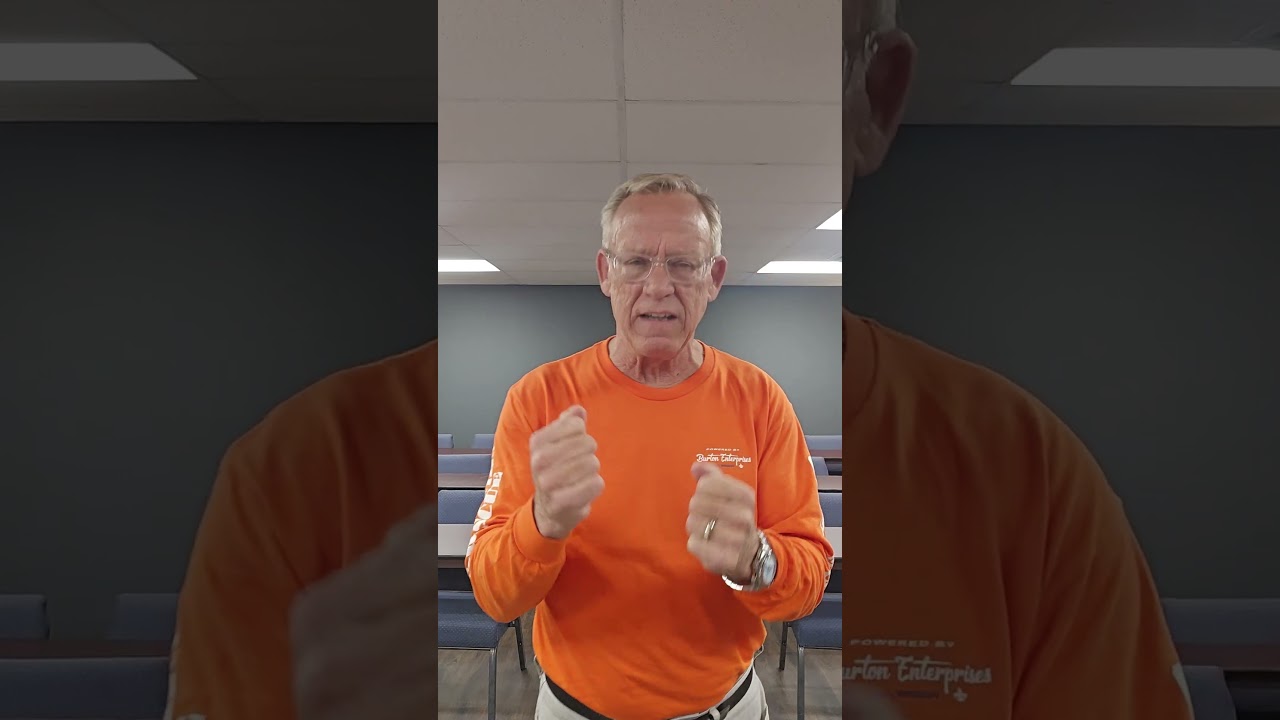
Ready to make selling your house easier and more profitable? Join a practical, down-to-earth workshop that walks through the real reasons homes stall on the market and what to do about them. These sessions are designed to give you clear, usable steps so you can get your house ready, price it correctly, and move with confidence.
What usually trips sellers up
There are predictable patterns that cause listings to sit. Addressing these up front cuts stress and creates momentum. The most common culprits include:
- Pricing mistakes — Overpricing is the fastest way to repel buyers. Price must match condition, timing, and comparable sales.
- Unresolved structural or safety issues — Foundation problems, drainage issues, or major system failures scare buyers and derail offers.
- Poor presentation and photography — A clean, well-staged home with great photos attracts more visitors and better offers.
- Weak marketing or poor agent alignment — The right marketing plan and an aligned realtor make all the difference.
- Communication breakdowns between client, realtor, and inspector — Misaligned expectations lead to delays and lost opportunities.
How to fix these problems on the front end
Fixing the right things in the right order brings the best returns. Focus on diagnosis, prioritize high-impact repairs, and prepare a realistic pricing and marketing plan.
Start with a proper diagnosis
Before spending money or setting a price, walk the property with a checklist and a trusted professional. A good diagnosis looks at:
- Foundation and structural integrity
- Roof and drainage
- Major systems: HVAC, plumbing, electrical
- Permits and code compliance for past work
- Cosmetic issues that affect first impressions
When you know exactly what’s wrong (and what’s not), you can make smart decisions about repairs, disclosures, and pricing.
Prioritize repairs by ROI
Not every repair yields the same benefit. Tackle items that:
- Remove buyer objections — Structural fixes, major system repairs, and safety issues.
- Improve perceived value — Fresh paint, landscaping, minor kitchen or bath updates, and staging.
- Are inexpensive but visibly impactful — Lighting, hardware, deep cleaning, and decluttering.
The client, realtor, inspector dynamic
That relationship is often the unsung factor in a smooth sale. Clear roles and consistent communication keep a listing moving:
- Client — Decide the goals (timeline, net proceeds, acceptable offers) and authorize repairs/disclosures.
- Realtor — Create the pricing strategy, marketing plan, and manage buyer interactions.
- Inspector — Provide a thorough, objective assessment so the client and realtor can plan fixes and disclosures.
Scheduling a joint walk-through or sharing a prioritized inspection report up front reduces surprises and speeds negotiations.
ROI: You make your money when you buy it
One timeless truth: the purchase price and terms often determine ultimate profit more than the work done later. Buying wisely, doing due diligence, and negotiating effectively are the first lines of defense against a bad sale.
When evaluating a property, consider:
- Long-term repair liabilities (foundation, roof, major systems)
- Neighborhood comps and likely resale buyer pool
- Potential for value-add improvements that actually move the needle
What this workshop series covers
These sessions are practical and recurring—three times a month through the spring—so you can attend what fits your schedule. Topics include:
- Five reasons your house won’t sell — A deep dive into the most common listing killers.
- Client, realtor, inspector relationship — How to align expectations and act like a coordinated team.
- ROI: You make your money when you buy it — Buying and diagnosing with resale in mind.
- Home diagnosis techniques — How to read a house and prioritize work that matters.
How to get the most from a session
- Bring a goal: timeline, target price, or a specific problem you want solved.
- Come with any available inspection reports or recent contractor estimates.
- Be ready to prioritize: identify one high-impact action you can take this week.
These classes are designed to be practical, not theoretical. The aim is to give you tools you can use immediately so the next time your house hits the market, it sells faster and for more.
Closing thought
Diagnosing a home properly is rarely complicated. It just requires the right checklist, a little expertise, and clear communication between the people involved. If you make smart choices early on, selling becomes less stressful and far more enjoyable. The series runs regularly through the spring—come to the sessions that fit your schedule and leave with a plan.
See you at the next workshop.


